
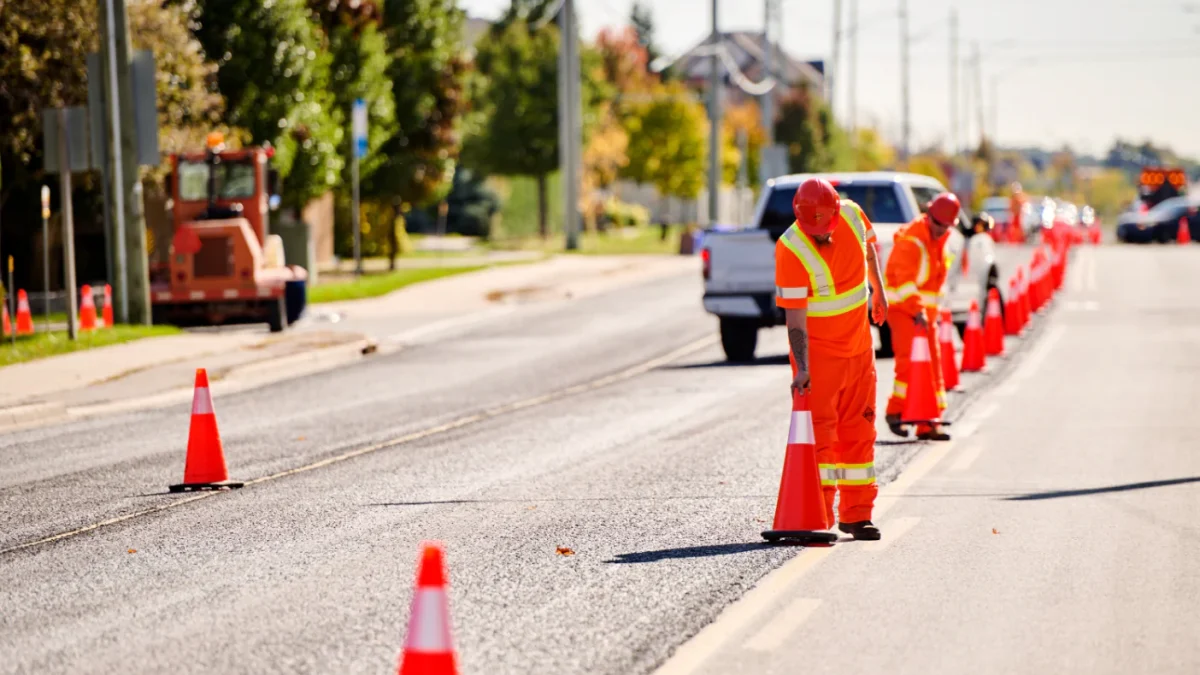

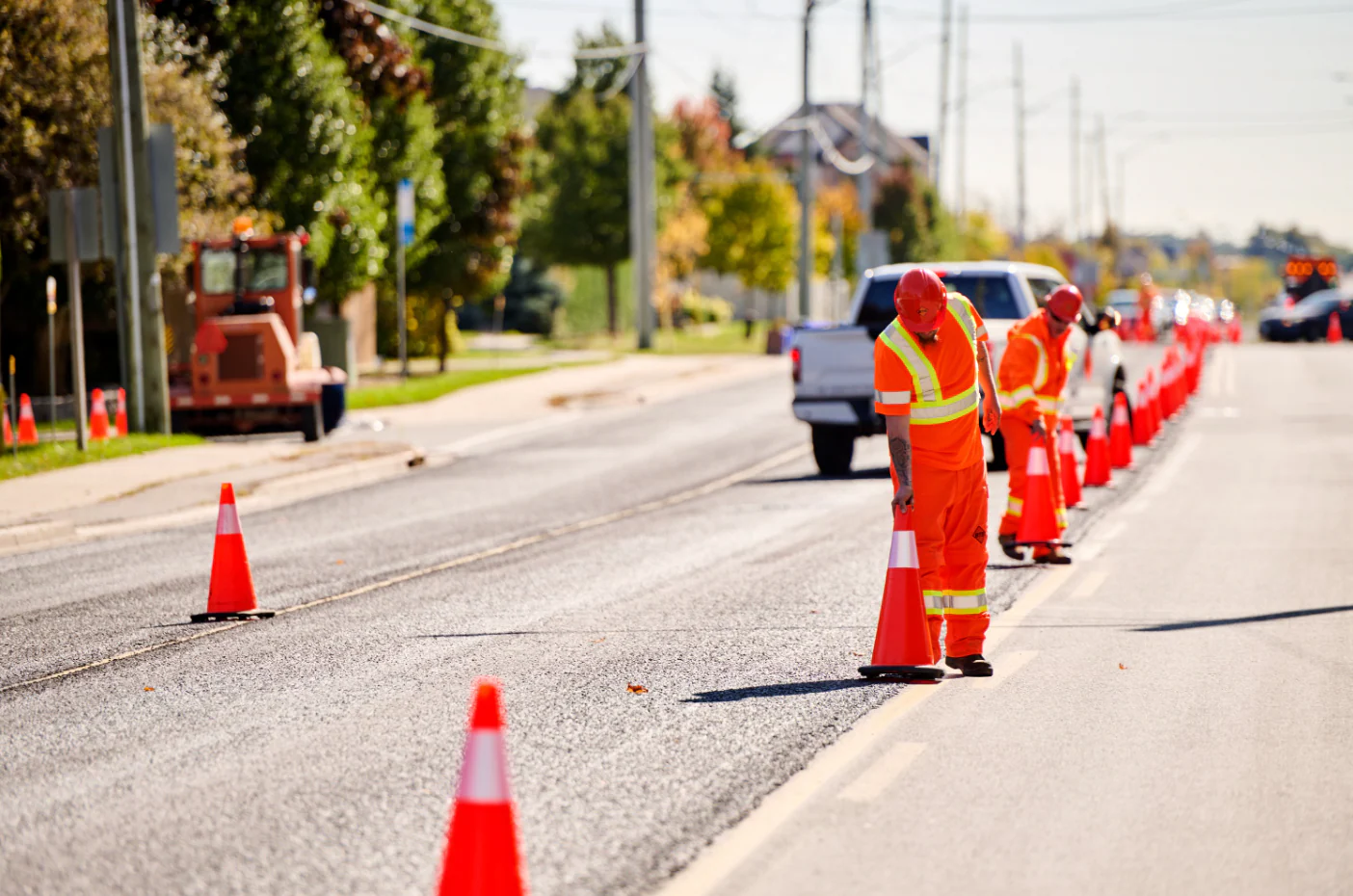
Every city with a growing population faces a familiar headache: roadwork that grinds traffic to a halt and leaves drivers fuming. But look closer and you will find that the difference between a chaotic site and a smoothly managed one often comes down to a single detail, customized traffic control plans. Why do experts keep returning to this principle for complex projects?
What Makes Road Projects Complex Enough to Need Customized Traffic Control Plans?
Even a straightforward patch of asphalt can turn into a logistical puzzle when you consider the unique setting of each site. Urban environments, with their tight intersections, bus routes, and high pedestrian activity, demand strategies that rural highways simply do not. In the countryside, longer detour distances and the unpredictability of high-speed traffic create their own hazards.
The complexity only multiplies with scale and duration. A week-long repair on a side street is a different beast from a multi-month expansion that eats up downtown lanes. Add in schools, hospitals, or major event venues nearby, and the stakes escalate. Even weather patterns and seasonal changes can shift the requirements for keeping both workers and the public safe.
Why Are Standard Traffic Control Plans Often Insufficient?
Many municipalities provide template-based solutions, like those found in Ontario’s OTM Book 7. These offer a solid starting point but rarely capture the reality of an actual site. Generic plans often miss crucial site-specific hazards, like unusual sight lines, driveway access for emergency vehicles, or nearby construction projects that create ripple effects in traffic flow.
Municipalities also have their own permitting nuances and interpretations of the rules. What passes muster for a suburban city council might prompt a hard “no” from a downtown review board. A plan that ticks all the boxes on paper but ignores the lived experience of a location can quickly lead to unsafe conditions, or a project grinding to a halt in bureaucratic limbo.
How Do Customized Traffic Control Plans Enhance Safety?
Safety is the real bottom line for traffic control professionals. Customized plans allow flagging crews to anticipate exactly how drivers, cyclists, and pedestrians will interact with the work zone, not just in theory, but in practice. Managing lane closures is about more than cones and signs; it is about real-time judgment calls, especially as conditions change throughout the day.
Carefully tailored detour and diversion strategies prevent accidents by channeling people away from danger. Workers are protected because their environment has been mapped out, hazards identified, and blind spots accounted for. Meanwhile, the public navigates around obstacles with clear, unambiguous guidance, lowering the likelihood of collisions and confusion.
What Components Are Included in a Detailed Traffic Control Plan?
At the heart of a customized plan is a site assessment that identifies every risk and quirk of the location. This analysis drives everything: the type and number of barricades, flagging crew rotations, placement of signage, and even the choice of lighting for night work.
Plans must spell out exactly when and where specialized equipment is needed, from portable signals to message boards. The visual design of the plan matters too, a clear, readable layout ensures that everyone, from the worker on-site to the municipal reviewer, understands the sequence of operations.
How Are Customized Plans Developed and Approved?
No plan emerges in a vacuum. The best traffic control companies work hand-in-hand with city engineers, local police, and permitting boards, incorporating feedback and drawing on years of hands-on experience. They speak the language of compliance, knowing just how to tweak a plan so it meets the specific expectations of each municipality.
This collaborative process is where local knowledge shines. What worked for a similar project last year may need an update due to new traffic patterns, construction elsewhere, or even lessons learned from close calls. The back-and-forth with permit boards is not just bureaucracy, it is a vital step in producing a plan that can be implemented smoothly and safely.
What Role Do Specialized Services and Equipment Rentals Play?
A plan is only as good as its execution. Access to professional-grade equipment, barriers, cones, electronic signs, ensures the work zone is clearly marked and secure. The expertise of seasoned flagging crews is irreplaceable; their ability to adapt in real time can prevent everything from minor fender-benders to serious injuries.
When projects stray from the ordinary, such as film shoots or parades, the experience of a dedicated team becomes even more vital. The Salus Traffic Control services company is one example of how specialized providers deliver both the planning muscle and on-the-ground adaptability that complex scenarios demand.
How Do Customized Plans Improve Project Efficiency and Public Satisfaction?
A well-designed traffic control plan does much more than keep people safe. It minimizes delays, keeps traffic flowing, and helps workers hit their project milestones. When signage is clear and detours make sense, frustrated drivers are less likely to become irate, or take unsafe shortcuts.
Documentation that is both detailed and easy to understand builds trust, not just with municipal officials but also with the public and other stakeholders. The result? Roadwork that is remembered less for its headaches and more for its professionalism.
What Are the Consequences of Neglecting Customized Traffic Control Plans?
Skip the work of customization and the costs mount quickly: increased accidents, legal liabilities, and the potential for costly project delays if regulators pull the plug. Public frustration can boil over, souring relationships with both city officials and residents.
In an era when cities are under pressure to do more with less, a cookie-cutter approach to traffic management is a gamble no one can afford. The smartest road builders know this: when the project is complex, only a tailored plan will do.