
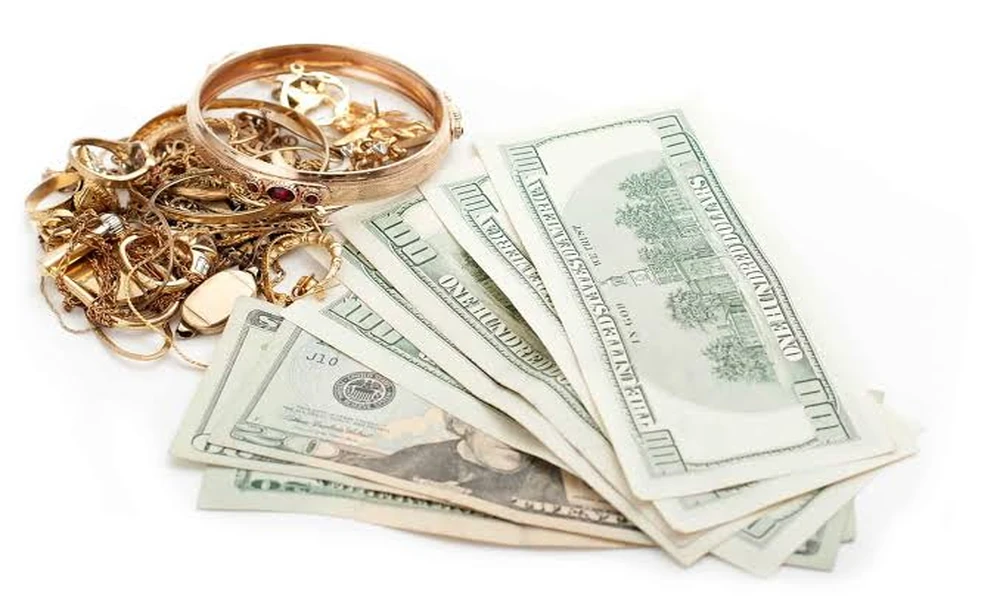

Selling gold is a good option for getting cash quickly from old rings, antique coins, dental gold bars, or precious metals. If you want to reduce the size of your collection, get rid of junk stuff, and profit from good prices for metals, then converting gold to cash is an easy task. Nevertheless, knowing about purity rating systems for weights and spot market prices is necessary to get an accurate value on gold trading.
To protect your investment, researching local valuation practices and market standards before handing over any valuable items is essential. Unscrupulous buyers can take advantage of an uneducated seller by paying significantly less than the metal’s true melt value. For sellers in North Texas, partnering with dallas valley goldmines specialists provides access to competitive payouts based on live market rates, a transparent valuation process, and professional testing tools.
1. Understand Gold Purity (Karats) and Weight
The gold price depends on its purity percentage and the weight of a given amount. Gold in its pure form (24 karats) is too soft for everyday jewelry, so it is typically alloyed with metals like copper, silver, or nickel for durability.
Weight Standards: Grams vs. Pennyweights
Troy ounces are used for weighing gold on an international scale, whereas avoirdupois ounces are used domestically, where 1 troy ounce equals 31.1 grams. Pennyweight (dwt), also known as gram weight for measuring gold by many precious metals buyers. Know exactly what kind of weight is used by buyers to determine their price for gold correctly.
2. Check the Live Spot Price of Gold
Spot price refers to an international trading rate for a troy ounce of pure 24K gold. The spot price fluctuates constantly during trading due to world economic conditions.
Remember that scrap gold payout is based on its value compared to current market rates at live spot prices. A buyer subtracts some amount for expenses like operating costs, service charges, and profits from their purchase price. A reputable buyer will provide accurate information about his or her payout rate compared with the present market price.
3. Know What You Have Before Getting Appraised
Before going to an appraiser’s office to evaluate property value, separating your possessions from home helps simplify it while keeping you updated on its condition.
- Check Hallmark Stamps: A magnifying glass can be used for locating small hallmarks such as 10K, 14K, 750, and 916 stamps that are stamped inside ring bands or on necklace clasps.
- Test with a Magnet: A piece that sticks tightly to a magnet would be more likely made of gold plating over steel/iron instead of pure karat gold.
- Separate Costume Jewelry: To avoid any mix-ups between costumes and stamps on metals while doing tests.
4. Choose a Transparent and Equipped Buyer
An honest purchaser can use a non-invasive test method such as an XRF analyzer for determining exact purity of goods without causing any damage to them by means like electrical resistance measurement instrumentation. Their weight can be measured by you directly from where they are located.
Working with an experienced, authorized precious metal dealer guarantees a secure transaction tailored to your needs. Choosing established buyers like dallas valley goldmine ensures sellers have access to reliable storefronts that provide quick valuations, clear price details, and fast payments within a safe facility
Conclusion
The selling of gold is not necessarily scary. Understanding gold purity, tracking live spot prices, and sorting your item list ahead of time to buy from an honest seller will help you get maximum return on investment when buying precious metal products. With proper training and information available to you, it would be easy for you to convert your gold into instant money quickly and safely while being profitable too.
Selling Your Gold: Everything You Need to Know Before You Sell