
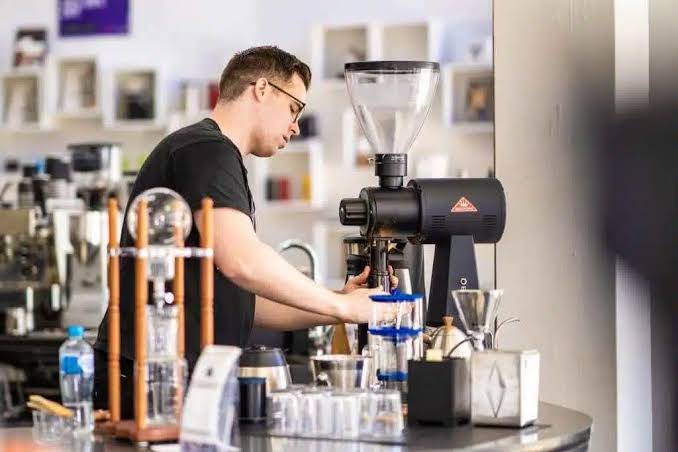

Coffee machines rarely fail suddenly. They decline. The drinks become slightly bitter, then noticeably so, and people start bringing coffee in from outside without mentioning it. By the time somebody calls a technician, the machine has been producing poor coffee for months and the fault is usually not a fault at all but accumulated neglect. Regular coffee machine service exists to prevent that slow slide, and most of it is unglamorous.
Coffee Oils Are the Main Enemy
Coffee is oily, and those oils coat every surface the brew passes over. Fresh, they contribute flavour. Days old and oxidised, they are rancid and impart a bitter, stale taste to everything brewed afterwards. This is why a machine that once produced good coffee gradually stops, and why the fix is chemical cleaning rather than a new bag of beans. Backflushing where applicable, brew unit cleaning tablets and group cleaning are the routines that address it.
The Daily Tasks
These belong to whoever operates the machine. Empty the grounds container and the drip tray, which are frequently found full and are the most common cause of a machine refusing to operate. Run the prompted rinse and cleaning cycles, particularly the milk system rinse, which most automatic machines will request after use. Wipe the dispensing area and the surrounding counter. None of this takes more than a few minutes, and skipping it is the single largest determinant of how a machine tastes.
The Weekly Tasks
Milk systems need a deeper clean weekly using a dedicated solution, with removable components dismantled and washed. Milk residue in lines is both a taste problem and a genuine hygiene one, since protein and fat deposits in a warm tube are exactly the environment bacteria favour. Bean hoppers should be wiped out when refilled, because the oils that migrate from beans build up a film that goes rancid in the same way brew residues do.
Descaling and Water Treatment
Every machine heating water accumulates mineral deposits in its boiler, heating element and valves. Scale insulates the heating surface, forcing the element to work harder and eventually to fail, and it restricts flow through narrow passages. Descaling on a defined schedule addresses what accumulates; water filtration reduces what accumulates in the first place. Filtration is frequently a warranty condition, with scale damage from an unmaintained filter excluded from cover, so establish the cartridge interval and who replaces it.
What a Service Visit Should Cover
A proper preventive visit goes beyond a clean. Expect brew group inspection and replacement of seals and gaskets where worn, grinder inspection and burr measurement against wear limits, descaling, filter replacement, milk system deep clean, checking and adjusting brew temperature and pressure, checking dispensed volumes, and verifying the grind is still correct for the coffee in use. Ask for a written report of what was found and done, since that record is how you spot a component approaching the end of its life.
Burrs Are a Consumable
Grinder burrs wear with every kilogram of coffee and have a defined service life. Worn burrs produce an inconsistent grind with more fines, which extracts unevenly and yields flat, harsh coffee. Because the decline is gradual, it is routinely blamed on the beans or the machine generally. Ask what the replacement interval is at your consumption and whether it is included in the service agreement or charged separately, since this is a common exclusion.
Service Frequency Should Follow Usage
Calendar-based intervals suit predictable volumes; usage-based intervals suit everything else. A machine producing two hundred drinks a day needs attention far more often than one producing thirty, and a cup counter gives the honest figure. Agree an interval with your provider based on actual consumption rather than a standard quarterly visit, and revisit it if volume changes. Suppliers of office coffee machines and servicing will usually adjust the schedule if asked.
The Cost of Neglect
Three consequences follow from skipping maintenance, in ascending order of expense. Coffee tastes worse and people stop using the machine, which wastes the whole investment. Components wear prematurely, turning a cleaning task into a parts bill. And in the worst case a boiler or pump fails from scale, which on a commercial machine is a substantial repair. Every one of these costs more than the service that would have prevented it.
Building It Into the Routine
Name a person responsible for the daily and weekly tasks and a backup, write the routine on a card by the machine, and add it to the handover when that person changes roles. Diarise filter changes rather than waiting for a symptom. Keep the service reports together. Treated as an ordinary recurring routine rather than a response to a complaint, coffee machine service keeps a machine producing the coffee it produced when it arrived, which is the entire point of having bought a good one.