
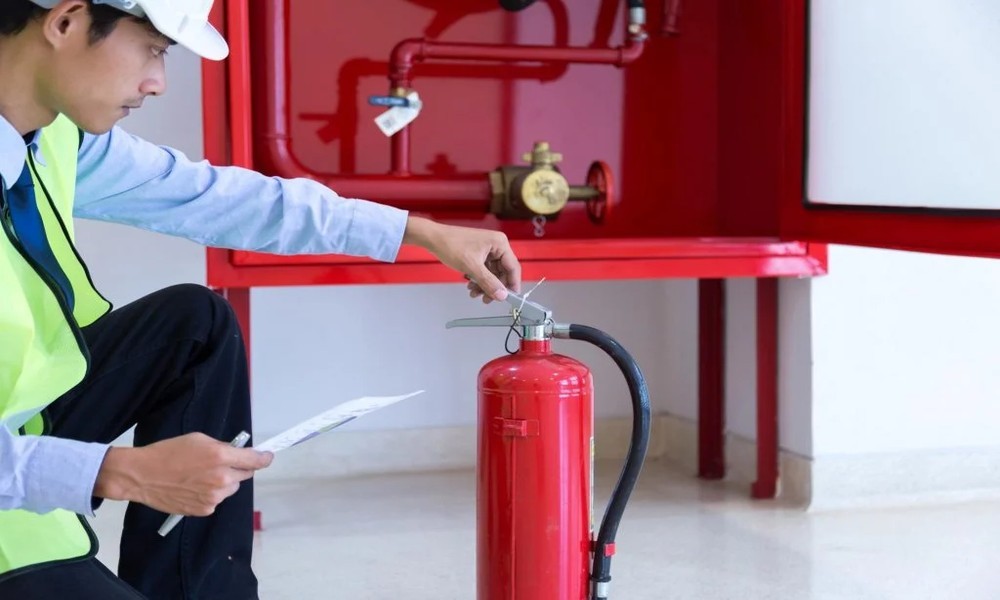

Commercial buildings rarely stay completely quiet for very long. Doors keep opening, equipment continues running, employees move between rooms, and visitors walk through hallways without noticing the emergency systems mounted above them every day. Safety equipment slowly becomes part of the background after enough time passes. After hearing stories involving smoke problems or unexpected electrical failures, many business owners begin checking https://paceprotections.com/austin/fire-alarm-installation/ since emergency situations usually feel much more serious once people experience confusion spreading through a crowded building unexpectedly.
Fast Alerts Often Prevent Larger Problems
Delayed communication often creates additional confusion inside larger properties where employees work across separate rooms or floors. Loud machinery and constant background noise sometimes make emergency alerts harder to recognize immediately.
Clear warning systems help people respond faster before situations become more stressful than necessary.
Buildings Change as Years Pass
Properties rarely stay exactly the same over time. Offices expand, equipment changes, storage areas move, and electrical systems handle heavier demands than they originally supported years earlier.
That gradual growth sometimes creates safety concerns people do not notice right away. Older alarm equipment may struggle keeping up with larger spaces or increased building activity once operations become busier.
Small Issues Usually Appear Before Bigger Ones
Busy schedules often push inspections lower on the priority list because daily operations already create enough responsibilities. That delay sometimes allows smaller equipment problems to become more difficult later.
While researching https://paceprotections.com/austin/fire-alarm-installation/ many property owners slowly realize emergency preparation involves regular attention instead of relying completely on older systems installed years earlier.
Crowded Spaces Need Better Communication
Large buildings create different challenges compared to smaller offices. Guests unfamiliar with exits may hesitate during emergencies while employees working farther away from entrances sometimes depend entirely on alarm systems for guidance.
Safety Equipment Rarely Becomes Noticed Daily
People walk underneath alarms and emergency lights constantly without paying attention to whether those systems remain dependable. That routine usually continues until testing fails unexpectedly or emergencies expose hidden equipment problems directly.
FAQ’S
- Why do buildings need warning systems?
They help people react faster during emergencies.
- Can older alarm systems become unreliable?
Yes. Aging equipment may weaken without maintenance and inspections.
- Why are regular system checks important?
They help identify safety problems before emergencies happen.
After enough close calls, power issues, or sudden alarm situations, building safety usually stops feeling like something that can wait until later. Emergency systems stay quiet in the background during normal days, but once smoke spreads or confusion starts inside a crowded property, people immediately depend on those warnings lights and alarms working without hesitation.